
 EN
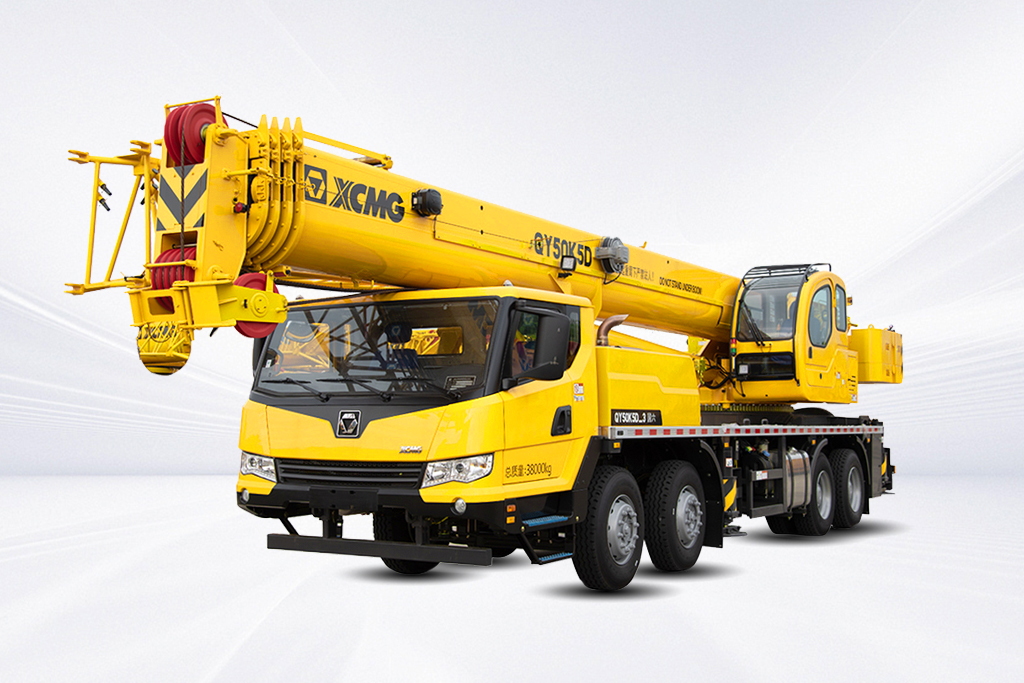
Regular maintenance of a truck crane is essential for preventing hydraulic failures that can lead to costly downtime and safety hazards. The hydraulic system in a truck crane operates under extreme pressure and temperature conditions, making it one of the most critical components requiring consistent attention. Without proper preventive care, hydraulic failures can occur unexpectedly, disrupting construction schedules and compromising worker safety on job sites. Understanding how maintenance directly prevents these failures is crucial for operators and fleet managers seeking to maximize equipment longevity and operational efficiency.
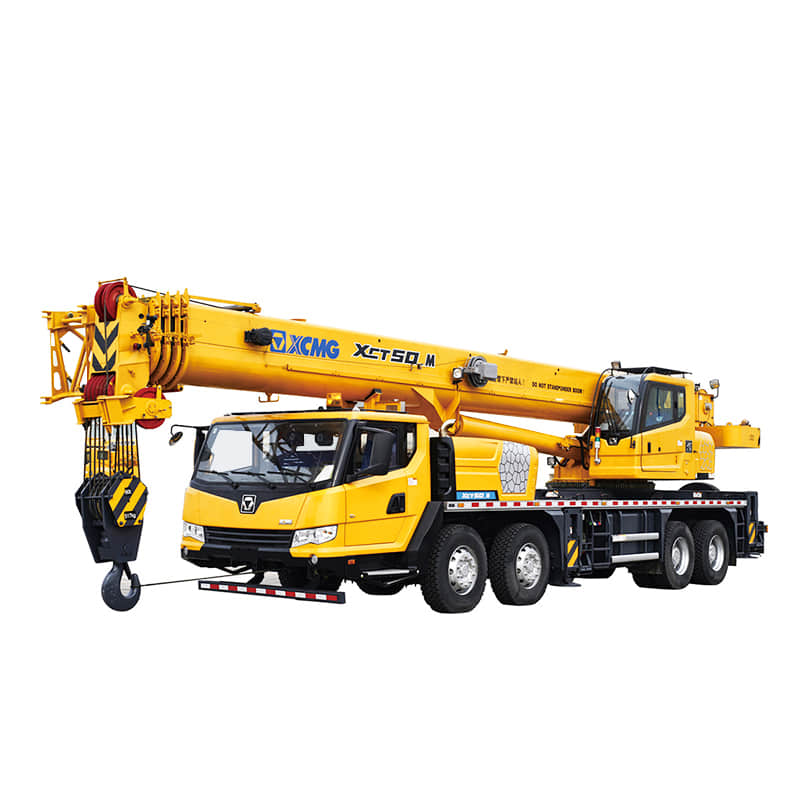
A truck crane hydraulic system circulates pressurized fluid through pumps, motors, cylinders, and hoses to lift, lower, and position heavy loads with precision. Every component in this system must function harmoniously to maintain safe lifting operations. When maintenance is neglected, fluid degradation, contamination, and component wear accumulate silently until a catastrophic failure occurs. Regular maintenance protocols systematically identify and address these developing problems before they compromise the truck crane's ability to perform safely and reliably.
Understanding Hydraulic System Degradation in Truck Cranes
Fluid Contamination and Its Impact on Truck Crane Performance
Hydraulic fluid is the lifeblood of any truck crane system, but it degrades rapidly when exposed to moisture, dirt, heat, and oxidation. Contamination particles can jam hydraulic valves, scratch pump surfaces, and clog filter passages, leading to pressure loss and unresponsive controls. A truck crane operating with contaminated hydraulic fluid experiences reduced lifting capacity and erratic boom movements that endanger nearby personnel and equipment. Maintenance teams that routinely sample hydraulic fluid, monitor particle counts, and change filters according to manufacturer specifications prevent contamination-related failures before they occur. The cost of regular fluid analysis and filter replacement is negligible compared to the expense of replacing a failed pump or valve assembly.
Heat Accumulation and Seal Degradation in Truck Crane Systems
Excessive heat within a truck crane hydraulic system accelerates the breakdown of seals, gaskets, and hoses that contain pressurized fluid. When a truck crane operates continuously without adequate cooling, fluid viscosity changes, causing internal leakage and loss of operational pressure. Seals that have been degraded by heat exposure cannot maintain watertight barriers, allowing fluid to escape and introducing air into the system. Regular maintenance includes inspecting cooling systems, cleaning radiator fins, checking fan operation, and monitoring fluid temperature to keep a truck crane operating within safe thermal parameters. Preventive cooling system maintenance directly correlates with extending the service life of the truck crane's hydraulic components.
Core Maintenance Practices That Prevent Truck Crane Hydraulic Failures
Scheduled Inspections and Fluid Management for Truck Cranes
Establishing a routine inspection schedule is foundational to preventing hydraulic failures in a truck crane. These inspections should occur before each shift, weekly, monthly, and quarterly, with specific checks assigned to each interval. Before-shift inspections involve visual examination of hoses for cracks, leaks, and abrasions, verification of fluid level in the reservoir, and confirmation that pressure gauges display normal readings. A truck crane operator who performs these simple checks identifies developing problems early when corrective action is less expensive and disruptive. Weekly inspections should include more detailed assessments of pump noise, motor responsiveness, and any unexpected fluid temperature increases that might indicate internal friction or excessive wear.
Filter Replacement and System Flushing for Truck Crane Longevity
The hydraulic filter in a truck crane removes particles that would otherwise accumulate in the system and cause premature wear. A truck crane filter that approaches its maximum particle-holding capacity restricts fluid flow, reducing pressure and response speed. Following the manufacturer's recommended filter replacement interval, typically every 500 to 1000 operating hours, ensures that the truck crane maintains peak hydraulic efficiency. Periodic system flushing, performed at longer intervals such as every 2000 operating hours or annually, removes accumulated varnish and sludge that standard filtration cannot eliminate. This proactive flushing prevents the buildup of oxidized fluid byproducts that would eventually cause valve stiction and pump cavitation in the truck crane.
Detection and Correction of Early Warning Signs
Recognizing Performance Degradation in a Truck Crane
Experienced operators learn to recognize subtle changes in a truck crane's behavior that signal developing hydraulic problems. Sluggish boom extension, delayed response to control inputs, or unusual grinding sounds from the pump indicate that internal wear or contamination has begun compromising performance. A truck crane exhibiting these symptoms requires immediate diagnostic attention, including pressure tests, fluid analysis, and component inspection to identify the root cause. Catching these warning signs during maintenance intervals allows technicians to replace worn components like pump swashplates or valve spools before complete failure occurs. Many truck crane operators report issues to maintenance teams, but only those who understand what constitutes normal performance can distinguish between acceptable operation and early-stage failure modes.
Hose and Connector Integrity as Part of Truck Crane Maintenance
High-pressure hoses are critical delivery pathways for hydraulic fluid in a truck crane, and their condition directly affects system reliability. Hoses subjected to constant pressure cycling, temperature fluctuations, and mechanical vibration gradually develop micro-cracks and weak points. A truck crane hose inspection should identify bulges, soft spots, crushed sections, or external fluid weeping that indicates imminent rupture. Replacing hoses before failure is essential because a truck crane with a ruptured hose loses all hydraulic pressure instantaneously, creating an uncontrolled lowering situation that endangers personnel below. Preventive hose replacement every three to five years, depending on operating intensity, costs far less than emergency repair services, downtime charges, and potential liability from accidents.
FAQ
What are the most common hydraulic failures that affect a truck crane?
The most prevalent hydraulic failures in a truck crane involve pump wear, valve malfunction, seal leakage, and hose rupture. Pump wear develops gradually as internal components experience friction from contaminated fluid or inadequate lubrication. Valve stiction occurs when oxidized fluid deposits prevent smooth valve operation, restricting flow and reducing pressure response in a truck crane. Seal failures allow internal and external leakage, compromising the pressure that a truck crane requires to lift loads. Hose ruptures, while sometimes sudden, are usually preceded by visible deterioration that maintenance inspections should catch before catastrophic failure.
How frequently should a truck crane undergo hydraulic system maintenance?
A truck crane should receive daily visual inspections, weekly detailed checks, monthly fluid analysis, and quarterly comprehensive service. Daily pre-operation checks require only minutes and protect the truck crane from operating with obvious problems like low fluid levels or leaking hoses. Monthly fluid sampling reveals contamination trends and water content before they cause component damage. Annual or biennial professional servicing includes pump efficiency testing, valve flow measurement, and complete system pressure verification to ensure the truck crane meets safety and performance standards. Operating intensity and environmental conditions may require more frequent maintenance for a truck crane in dusty or extreme temperature environments.
Can preventive maintenance truly eliminate truck crane hydraulic failures?
While preventive maintenance cannot entirely eliminate all possible failures, it reduces failure frequency and severity dramatically. A truck crane with rigorous maintenance protocols experiences failures at rates one-tenth those of neglected equipment. Preventive maintenance increases the predictability of component wear, allowing managers to schedule replacement during planned downtime rather than emergency repair scenarios. Some unexpected failures still occur due to manufacturing defects or extreme operating conditions, but these represent the exception rather than the norm for a well-maintained truck crane. The combination of truck crane maintenance discipline, operator awareness, and professional service creates a system where hydraulic reliability becomes highly predictable and manageable.